Ceremony Logistics Most Couples Don’t Think About
(And Why Having an Experienced Officiant Makes All the Difference)
Most couples have a clear vision of how they want their wedding ceremony to feel—intimate, meaningful, joyful, personal.
What often catches them off guard isn’t the emotion.
It’s the logistics.
On the wedding day, once guests arrive, music begins, and everyone is in place, small unanswered questions can suddenly feel very big. That’s where thoughtful ceremony planning—and a prepared officiant—quietly makes all the difference.
Here are some of the ceremony logistics most couples don’t realize they need to think about ahead of time.
1. Where Everyone Stands (and Why It Matters)
It seems simple—until it isn’t.
Who stands where during the processional?
Do both partners enter separately or together?
How close should you stand to each other?
Where does the officiant stand so photos look natural?
These details impact not only how the ceremony flows, but how it looks and feels in the moment. A well-planned standing arrangement keeps the focus where it belongs—on the couple—without awkward shuffling or uncertainty.
2. Timing the Processional (So It Feels Natural, Not Rushed)
Music cues, walking pace, spacing between participants—these details are rarely discussed but deeply felt.
Without guidance, couples often worry:
Am I walking too fast?
Do we wait for the music?
Who goes next?
A clear processional plan removes guesswork and allows everyone to move with confidence and ease.
3. Transitions Between Ceremony Moments
Ceremonies are made up of transitions:
From entrance to welcome
From story to vows
From vows to ring exchange
From pronouncement to recessional
When these moments aren’t intentionally structured, ceremonies can feel disjointed or awkward—even if the words themselves are beautiful.
A well-crafted ceremony flows seamlessly from one moment to the next, allowing emotion to build naturally rather than feel interrupted.
4. Managing Nerves in Real Time
Even the most prepared couples can feel nervous once the ceremony begins.
Hands shake. Minds go blank. Emotions run high.
An experienced officiant knows how to:
Slow the pace when needed
Offer quiet reassurance
Adjust in real time without drawing attention
This kind of presence helps couples stay grounded and present, rather than worried about what’s coming next.
5. Coordinating with Vendors Behind the Scenes
Couples shouldn’t be answering logistical questions on their wedding day.
An officiant often works quietly with:
Wedding planners or coordinators
Venue staff
Photographers
DJs or MCs
This coordination ensures everyone knows the ceremony flow, timing, and cues—so nothing interrupts the moment.
6. Legal Details That Still Matter on a Beautiful Day
Marriage licenses, witness requirements, signatures, and timelines are not the most romantic parts of a wedding—but they are essential.
When these details are handled with clarity and care:
Couples feel supported, not stressed
Paperwork is completed correctly
Nothing is left until the last minute
Knowing these logistics are already covered allows couples to stay fully present during their ceremony.
The Takeaway: Vision + Structure = Presence
Most couples already have the heart of their ceremony figured out.
What they need is someone to hold the structure—so they can step into the moment with confidence, calm, and connection.
That’s the role of a thoughtful officiant: to make sure everything flows, quietly and intentionally, so the ceremony feels effortless—even when a lot is happening behind the scenes.
If you’re planning a wedding and want a ceremony that feels both meaningful and well-run, having the right support makes all the difference.
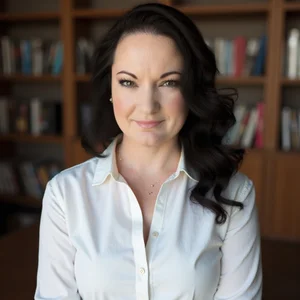
Photo by Mette Blackburn Photo